
ஜூலை 5 மற்றும் 6 ஆம் திகதிகளில் நீர்கொழும்பு சிறைச்சாலையில் நடந்த வன்முறை, இலங்கையின் சிறை அமைப்பின் ஆழமான நோயை மீண்டும் வெளிச்சத்திற்குக் கொண்டுவந்துள்ளது. அந்த இரண்டு நாட்களில் சிறை வளாகம் போர்க்களமாக மாறியது. இரத்தக் கறைகள் தரையில் உறைந்திருந்தன. அதிகாரிகளின் சடலங்களும் கைதிகளின் உடல்களும் கலந்திருந்தன. வெளியே ஆயிரக்கணக்கான பெற்றோர்களும் மனைவியரும் “என் மகன் உயிரோடிருக்கிறானா?” என்று கதறி அழுதனர். உள்ளே மரண ஓலங்களும் ஆத்திரக் கூச்சல்களும் கலந்து ஒலித்தன.
தொடக்கப் புள்ளி போதைப்பொருள் வர்த்தகம். சிறைக்குள்ளேயே இயங்கிய போதைப்பொருள் வலைப்பின்னலைச் சில கைதிகள் அதிகாரிகளிடம் தெரிவித்தனர். அந்தத் தகவல் வெளியானதும், அந்த வர்த்தகத்துடன் தொடர்புடைய குழுவினர் கடும் பழிவாங்கலில் இறங்கினர். தகவல் கொடுத்ததாகச் சந்தேகிக்கப்பட்ட இரண்டு கைதிகள் அடித்துக் கொல்லப்பட்டனர். அதன் பிறகு சிறை மருந்தகம் உடைக்கப்பட்டது. மனநோயாளிகளுக்காக வைக்கப்பட்டிருந்த மாத்திரைகள் அளவுக்கு அதிகமாக உட்கொள்ளப்பட்டன. போதையில் வெறிபிடித்த கும்பல், காலை உணவு வழங்க வந்த அதிகாரிகளைச் சூழ்ந்துகொண்டது. கற்கள், இரும்புக் கம்பிகள், கைகள் ஆகியவற்றால் தாக்கப்பட்டதில் ஒரு ஜெயிலர் உட்பட ஏழு சிறை அதிகாரிகள் உயிரிழந்தனர். பிரேதப் பரிசோதனையில் அவர்கள் மழுங்கிய ஆயுதங்களால் தலை மற்றும் நெஞ்சில் தாக்கப்பட்டு இறந்தது உறுதி செய்யப்பட்டது.
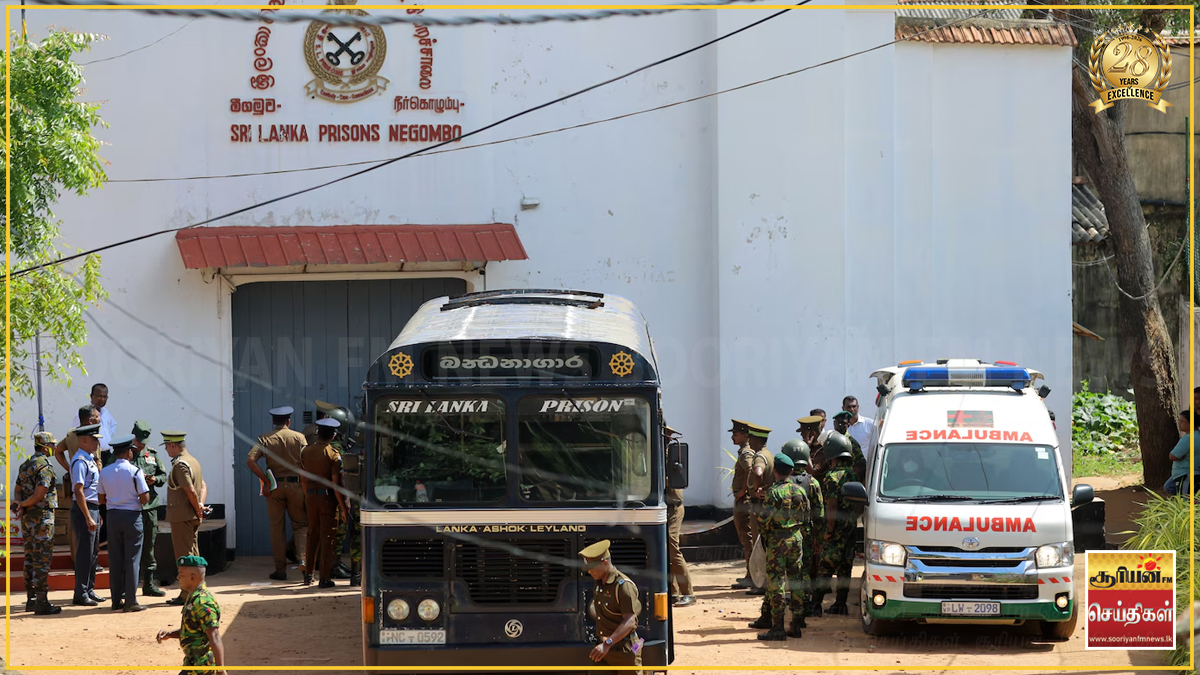
மொத்த உயிரிழப்பு எண்ணிக்கை இருபத்தேழு முதல் இருபத்தொன்பது வரை உயர்ந்தது. நூற்றுக்கும் மேற்பட்டோர் காயமடைந்தனர். பல நூறு கைதிகள் வேறு சிறைகளுக்கு மாற்றப்பட்டனர். அதிகாரிகள் துப்பாக்கிச் சூடு நடத்தியதாகவும், கைதிகள் ஆயுதங்களைப் பறித்துக்கொண்டதாகவும் தகவல்கள் வெளியாயின. ஆனால் அடிப்படை உண்மை ஒன்றுதான். இந்த வன்முறை தனிப்பட்ட குற்றவாளிகளின் வெறி அல்ல. அது நீண்டகாலமாகக் குவிந்துவந்த அமைப்புரீதியான தோல்வியின் வெடிப்பு.
இலங்கையின் சிறைகளின் அதிகாரப்பூர்வ கொள்ளளவு சுமார் பத்தாயிரம். ஆனால் இன்று நாற்பதாயிரத்திற்கும் அதிகமானோர் அடைக்கப்பட்டுள்ளனர். நீர்கொழும்பு சிறையும் அதற்கு விதிவிலக்கல்ல. அதிகப்படியான கைதிகள், போதிய காவலர்கள் இன்மை, உள்ளே இயங்கும் போதைப்பொருள் வலைப்பின்னல், அதிகாரத்தின் கண்மூடித்தனம் ஆகியவை சேர்ந்து இந்தக் கோர முகத்தை உருவாக்கியுள்ளன. “கைதிகளும் மனிதர்களே” என்று சுவர்களில் எழுதப்பட்டிருந்தாலும், அந்த வார்த்தைகள் யதார்த்தத்தில் எந்தப் பொருளையும் பெறவில்லை.
வெளியே நின்ற தாய்மார்களின் கண்ணீர் இந்த அமைப்பின் மீதான கடுமையான குற்றப்பத்திரிகை. அவர்கள் கலகம் செய்ய வரவில்லை. தங்கள் பிள்ளைகள் உயிரோடிருக்கிறார்களா என்பதை மட்டும் அறிய விரும்பினர். ஆனால் அதிகார அமைப்பு அவர்களுக்குத் தெளிவான பதிலைக் கூடத் தர முடியாமல் திணறியது. இறந்த அதிகாரிகளின் குடும்பங்களின் துயரமும் அதே அளவுக்குக் கனமானது. அவர்கள் உணவு வழங்கச் சென்றவர்கள். ஆனால் போதையும் பழிவாங்கலும் கலந்த வெறியில் அவர்கள் மிருகத்தனமாகக் கொல்லப்பட்டனர்.
இந்த நிகழ்வு வெறும் சிறைக் கலவரம் அல்ல. இது இலங்கையின் நீதி மற்றும் தண்டனை அமைப்பு எந்த அளவுக்குச் சிதைந்துள்ளது என்பதன் சாட்சி. போதைப்பொருள் வர்த்தகம் சிறைச் சுவர்களுக்குள்ளும் சுதந்திரமாக இயங்குகிறது. தகவல் கொடுப்பவர்கள் கொல்லப்படுகிறார்கள். அதிகாரிகள் பாதுகாப்பற்று இருக்கிறார்கள். மக்கள் வெளியே ஓலமிடுகிறார்கள். இந்த வட்டம் தொடரும் வரை, நீர்கொழும்பு போன்ற இரத்தக் கறைகள் மீண்டும் மீண்டும் தோன்றும்.
காலம்தான் பதில் சொல்லும். இந்தக் கோர முகத்திற்கு முற்றுப்புள்ளி வைக்கப்படுமா, அல்லது அமைப்புரீதியான தோல்விகள் தொடர்ந்து உயிர்களை விழுங்கும்மா என்பது.
Negombo Prison: Blood, Cries and a Gruesome Face
The violence that erupted at Negombo Prison on 5 and 6 July has once again exposed the deep disease within Sri Lanka's prison system. For two days the prison compound turned into a battlefield. Bloodstains froze on the ground. The bodies of officers and inmates lay mixed together. Outside, thousands of parents and wives cried out, "Is my son still alive?" Inside, the wails of death mixed with shouts of rage.
The starting point was the drug trade. Some inmates informed the authorities about a narcotics network operating inside the prison. Once that information reached certain groups linked to the trade, a brutal campaign of revenge began. Two inmates suspected of being informants were beaten to death. Later the prison dispensary was broken into. Tablets meant for psychiatric patients were consumed in large quantities. Under the influence of drugs, a frenzied mob surrounded the officers who had come to serve breakfast. Using stones, iron rods and their bare hands, they attacked. One jailer and seven prison officers lost their lives. Post-mortem examinations confirmed that they died from blows to the head and chest with blunt weapons.
The total death toll rose to between twenty-seven and twenty-nine. More than a hundred people were injured. Hundreds of inmates were transferred to other prisons. There were reports of gunfire by officers and of inmates seizing weapons. But the fundamental truth remains the same. This violence was not merely the frenzy of individual criminals. It was the explosion of long-accumulated systemic failure.
Sri Lanka's prisons have an official capacity of around ten thousand. Today more than forty thousand people are locked inside them. Negombo Prison is no exception. Overcrowding, shortage of guards, the free operation of drug networks within the walls, and the wilful blindness of authority together created this gruesome face. Although the words "Prisoners are also human beings" are written on the walls, those words carry no meaning in reality.
The tears of the mothers standing outside are a severe indictment of this system. They did not come to riot. They only wanted to know whether their children were still alive. Yet the authorities could not even give them a clear answer. The grief of the families of the dead officers is equally heavy. These were men who had gone to serve food. In a frenzy fuelled by drugs and revenge they were slaughtered with animal brutality.
This incident is not just a prison riot. It is evidence of how deeply the justice and penal system of Sri Lanka has decayed. The drug trade operates freely even inside prison walls. Informants are killed. Officers remain unprotected. People cry outside. As long as this cycle continues, bloodstains like those at Negombo will keep appearing.
Time alone will tell. Will a full stop be put to this gruesome face, or will systemic failures continue to swallow lives?



0 Comments